
THE READING EXPRESS ARCHIVE
A small field.
A lasting legacy.
Rediscover Reading’s indoor football years—and the game, city and sporting culture around them.
Explore the archive →Small field.
Lasting stories.
THE READING EXPRESS ARCHIVE
Rediscover Reading’s indoor football years—and the game, city and sporting culture around them.
Explore the archive →AI-generated arena illustration. This is a visual interpretation, not an archival photograph.
THE STORY BEHIND THE NAME
For seven playing seasons, the Reading Express brought professional indoor football to the Sovereign Center. Their story belongs to a city, a changing league landscape and a much wider football tradition.
This publication brings those threads together. Start with the documented team timeline, learn what makes a shortened field distinctive, or follow the broader questions of leadership and sporting memory. We distinguish confirmed milestones from interpretation, and illustrations from historical evidence.
Meet the project →LATEST FROM THE ARCHIVE
Team archive
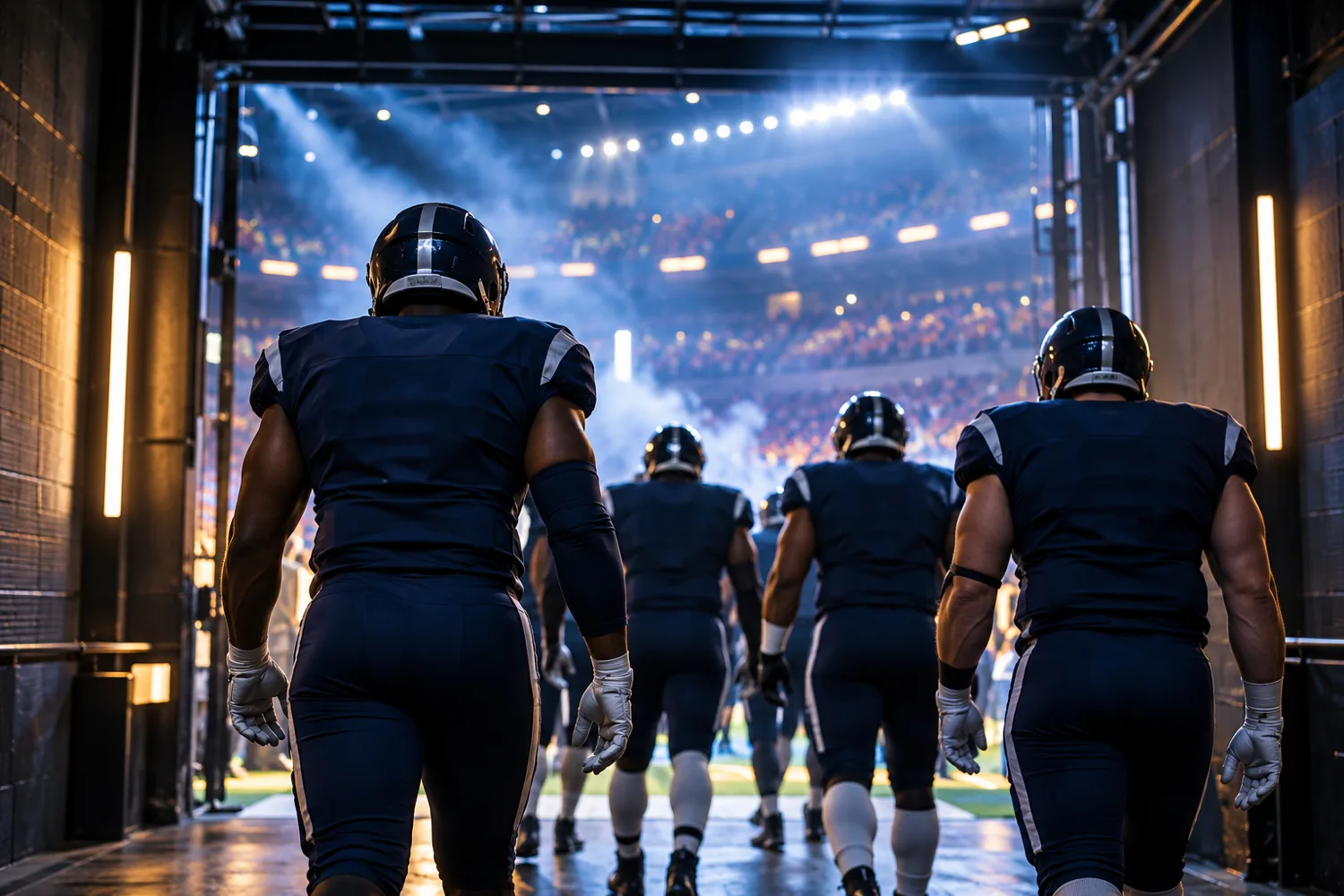
Seven seasons of indoor football in Reading, and the distinction between a final season and a formal farewell.

The game
A first-time viewer’s guide to the compact field, quick decisions and rule differences that matter.

The game
The same football foundations, with different space, timing and tactical tradeoffs.
SEVEN SEASONS. SEVERAL CHAPTERS.
The Express begin play in the American Indoor Football League.
A period that includes the club’s 2009 championship.
The Express play their final two seasons in the Indoor Football League.
Following planned dormancy, an October announcement ends operations.

HISTORY, WITH CONTEXT
The Express last played in 2012. Their closure announcement came in October 2013. Those dates describe different events, and keeping them separate helps preserve the story accurately.
The same care applies to league names, venues and championship claims. A record becomes useful when a reader can follow it back to its source.
Read the team history →A GUIDE TO THIS COLLECTION
An indoor game changes the spectator’s sense of distance. The touchline is nearby, the end zone arrives quickly, and a mistake can become a scoring opportunity in very little space. That intimacy is one reason the format has a distinctive place in American football culture. It also makes explanation important: an arena is not simply an outdoor field with a roof placed above it.
A shorter field and fewer players create different spacing problems. A receiver has less open depth to exploit; a defender has less room to recover. Offensive timing and defensive communication become unusually visible. The format rewards an audience that watches movement before the snap as well as the final pass or tackle.
Our rules guide explains these broad ideas without pretending to replace a league rulebook. Indoor competitions have used different procedures for movement, kicking and boundary play. If you are attending a current match, the organizer’s current rules remain the right authority. Historical articles should preserve the rules of their own period rather than silently importing a present-day version.
The Reading Express began in the AIFL, continued in the AIFA and later joined the IFL. Similar initials can obscure a meaningful change in a club’s environment. The league name on a season record is part of that record, not a decorative detail. A successful year should be read with its own opponents and competition structure in view.
The 2009 title stands out in the Express story. A contemporary report describes a 65–42 championship win over Wyoming. That is a concrete milestone; it does not need to be inflated into a claim about every indoor competition. Celebrating a specific achievement carefully is more useful than collapsing separate leagues into one imagined national table.
A team history can become a string of records with the place itself removed. Reading matters here. A recurring home game creates a reason to meet, return to the same building and recognize familiar colors. The Sovereign Center was the Express’s home venue during their playing years. That historical name gives a reader a stable point of reference.
We do not infer an economic impact, attendance trend or citywide consensus from that setting. Those claims would require evidence of their own. A local sports project can acknowledge that a club occupied a meaningful place in some people’s lives while leaving room for different memories and experiences.
The essays about teamwork, Abby Wambach and Diego Maradona broaden the collection deliberately. Wambach and Maradona are association-football figures, not Reading Express players. Their inclusion is an opportunity to think about collective effort, leadership and how a memorable career becomes a public story.
Those essays retain the distinction between codes. They do not suggest that an indoor American football team shares a competitive history with a national soccer side. The connection is editorial: people use sports stories to discuss responsibility, skill, pressure and belonging across very different games.
Every image on this site is an AI-generated illustration. The arena scenes, equipment arrangements and anonymous players were created for this publication. None is presented as a photograph of a Reading Express match, a historic venue interior, Wambach or Maradona.
That distinction matters because an attractive image can look more evidential than it is. A conceptual scene can establish a mood or make a page easier to navigate. It cannot establish what uniforms were worn, how a building looked on a particular night or who was present. For those questions, consult verifiable photographs and records held by their original owners.
Contemporary announcements are especially useful for dates and the language an organization used at the time. They also reflect the perspective of the organization issuing them. Statistical databases help compare seasons, but a standings table alone does not explain why a team changed leagues or stopped operating.
We bring those kinds of evidence together and identify gaps. Where a source does not establish a roster detail, business explanation or quotation, we do not supply one. This is a small, curated collection that can support further reading rather than a claim to possess every record of the Express years.
Learn the indoor format · Compare indoor and outdoor football
BEYOND THE SCORE

Sports culture
An editorial framework for reading the work between the highlights.

Beyond the gridiron
A soccer career offers a useful lens on shared credit, preparation and the moments a team creates together.

Beyond the gridiron
Reading a famous World Cup through space, collective work and the difference between evidence and legend.
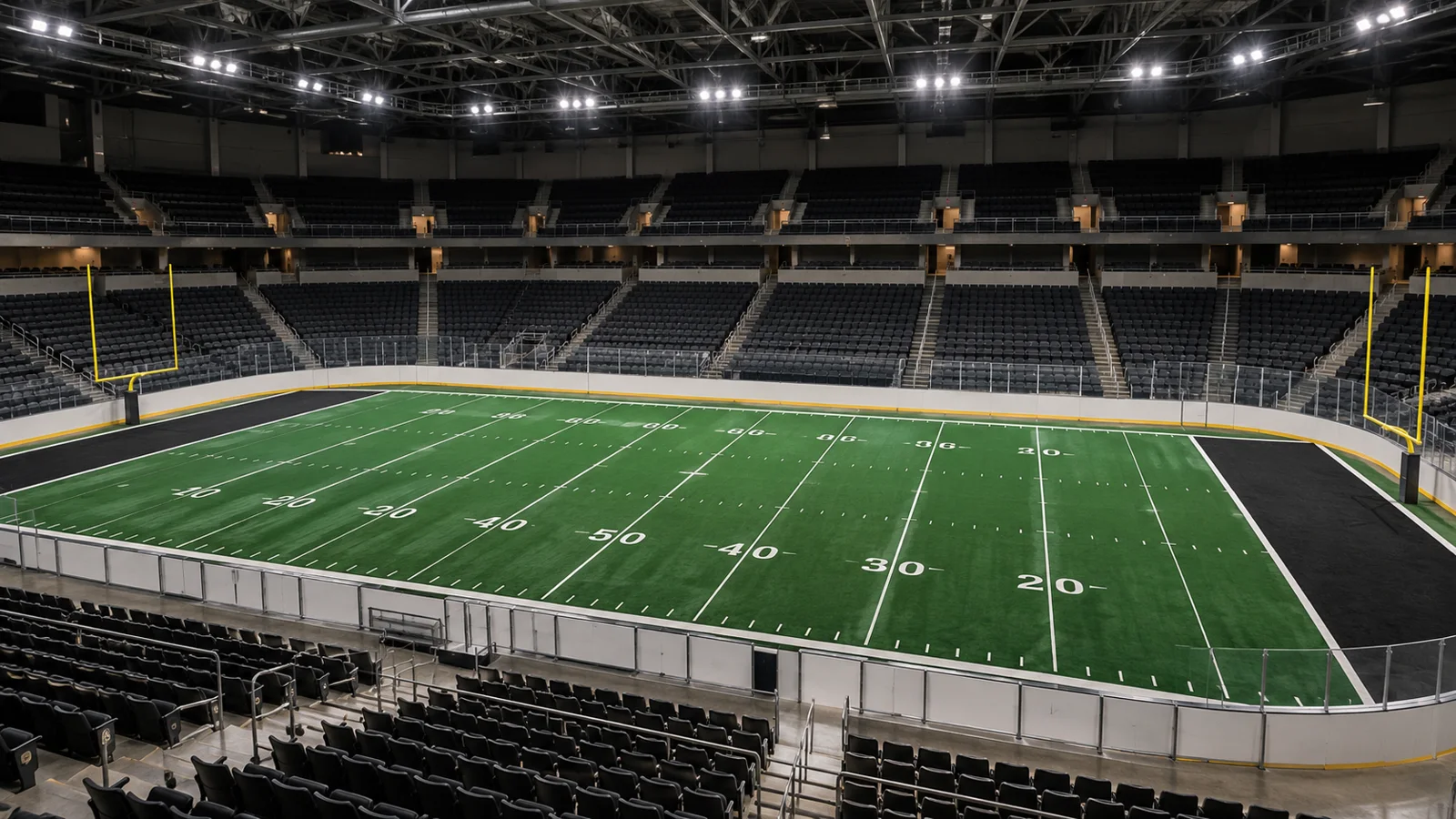
A DIFFERENT KIND OF FIELD
Space changes the questions an offense and defense must answer. Explore how field dimensions, personnel and boundaries shape the indoor experience.
Indoor vs. outdoor football →QUICK ANSWERS
No. This is an independent historical publication. It does not represent the former team, its owners, its players or any league.
Their final playing season was 2012. A June 2012 announcement planned dormancy for 2013; the announcement discontinuing operations followed in October 2013.
Yes. The Express won the 2009 AIFA championship, defeating Wyoming 65–42 according to a contemporary report.
No. All site images are clearly identified AI-generated illustrations. They are not documentation of real games, people or venues.
No. The collection covers history and general sporting culture. It is not a ticket office or a live league information service.
The Wambach and Maradona essays explore leadership and sporting legacy. They are labeled as broader culture stories and do not imply a connection to the Express roster.
Historical facts are linked to sources. Interpretive essays are identified as such. Uncertain details stay uncertain.
Read our editorial standards →